

Price range: €260.00 through €2,000.00
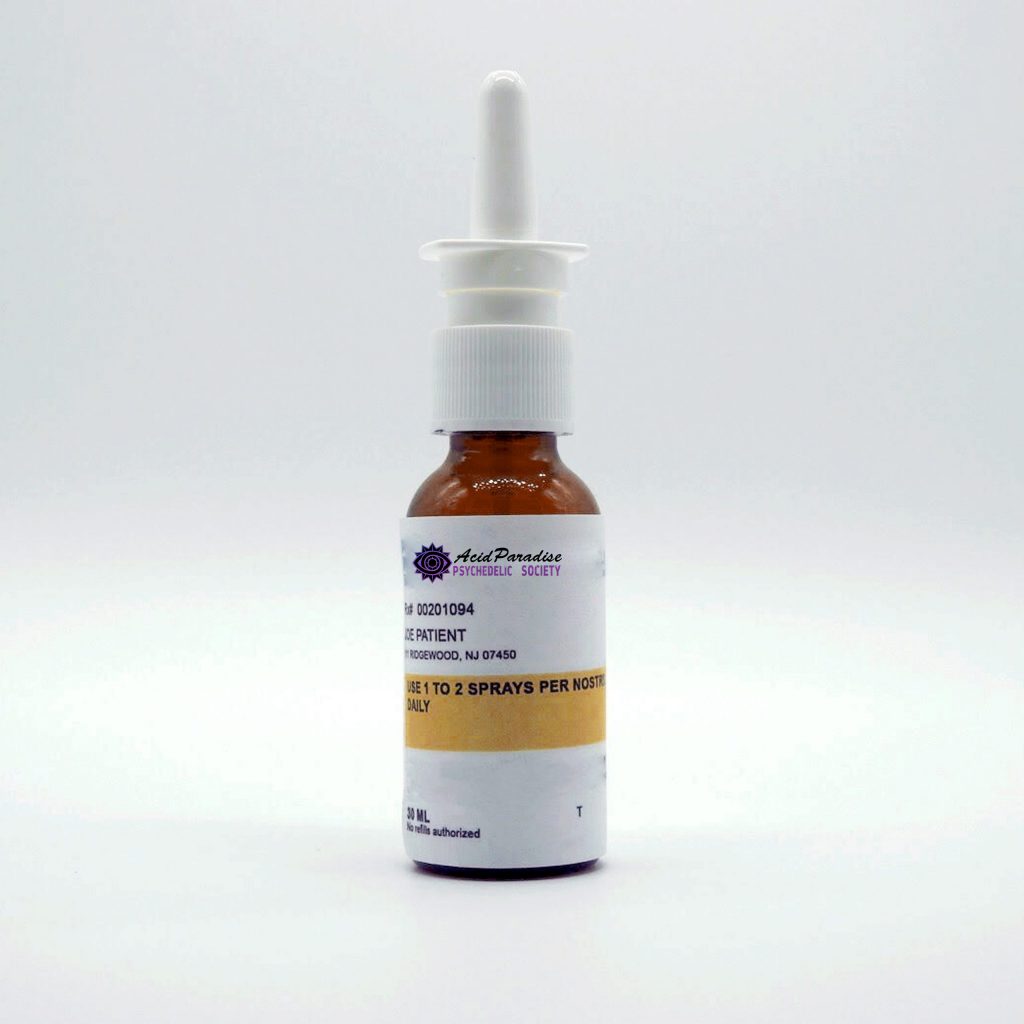
Ketamine Nasal Spray for treatment-resistant depression—fast-acting, prescription-based therapy administered under medical supervision.
Ketamine Nasal Spray is a clinically supervised, fast-acting treatment designed for individuals suffering from treatment-resistant depression (TRD) and certain severe mood disorders. Unlike traditional antidepressants that may take weeks to show noticeable improvement, ketamine-based nasal therapy has been recognized for its rapid onset of action when administered under strict medical guidance. This medication is available by prescription only and must be used in a certified healthcare setting under professional supervision to ensure safety, effectiveness, and proper monitoring.
Ketamine is a medication historically used as an anesthetic. In carefully controlled, low-dose formulations, it has demonstrated significant therapeutic potential in mental health care, particularly for patients who have not responded adequately to conventional antidepressant treatments. Ketamine Nasal Spray works by targeting the brain’s glutamate system, which plays a critical role in mood regulation and neural connectivity. By supporting synaptic repair and promoting neuroplasticity, it may help reduce depressive symptoms more rapidly than standard medications that primarily target serotonin.
This therapy is typically considered for patients diagnosed with treatment-resistant depression—individuals who have not achieved sufficient relief after trying two or more antidepressant medications. In some clinical cases involving major depressive disorder with suicidal ideation, rapid symptom reduction is essential, and ketamine’s fast-acting mechanism may provide meaningful relief when closely monitored. Healthcare providers may also evaluate its suitability for certain severe mood disorders, depending on the individual’s psychiatric history and overall medical condition. A comprehensive medical and psychiatric evaluation is required before beginning treatment, as this therapy is not appropriate for everyone.
Ketamine Nasal Spray must be administered in a licensed healthcare facility. Patients are monitored during and after dosing to ensure safety and manage potential side effects. Dosage and treatment frequency are determined by a qualified healthcare provider according to established clinical protocols and individual response. Self-administration outside of a certified medical setting is not recommended and may present serious health risks.
One of the most significant advantages of ketamine nasal therapy is its potential for rapid onset of symptom improvement, sometimes within hours or days rather than weeks. Its innovative mechanism of action distinguishes it from traditional antidepressants by acting on NMDA receptors within the glutamate system. This novel therapeutic pathway has generated substantial clinical interest in recent years as a promising option for complex depression cases. Structured monitoring during each session enhances safety and ensures patients are stable and comfortable before leaving the facility.
As with any prescription medication, ketamine nasal spray may cause side effects. Common side effects can include dizziness, nausea, temporary dissociation, elevated blood pressure, and fatigue. In most cases, these effects are short-lived and resolve during the monitored observation period. Healthcare providers conduct thorough assessments of cardiovascular health and overall medical history before initiating treatment to minimize risk. Misuse or unsupervised use of ketamine can lead to serious complications, which is why professional oversight is essential.
Before starting therapy, patients undergo a full evaluation to determine eligibility and ensure that ketamine treatment aligns with their clinical needs. Ongoing monitoring and follow-up appointments are typically part of a structured treatment plan. This medication is generally reserved for individuals who have not responded to first-line antidepressant therapies and is not intended as an initial treatment option.
When administered responsibly within a regulated clinical environment, Ketamine Nasal Spray represents a carefully controlled, evidence-based alternative for individuals struggling with persistent depressive symptoms. For those facing complex or resistant depression, this therapy may offer renewed hope and meaningful symptom relief under the guidance of licensed medical professionals
| Quantity | 5 bottles, 10 bottles, 15 bottles, 25 bottles, 50 bottles |
|---|
Be the first to review “KETAMINE NASAL SPRAY”
Related products

KETAMINE

KETAMINE
Reviews
There are no reviews yet.