
Buy Liquid Ketamine in Europe
An Overview of Liquid Ketamine for Medical Use in Europe
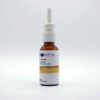
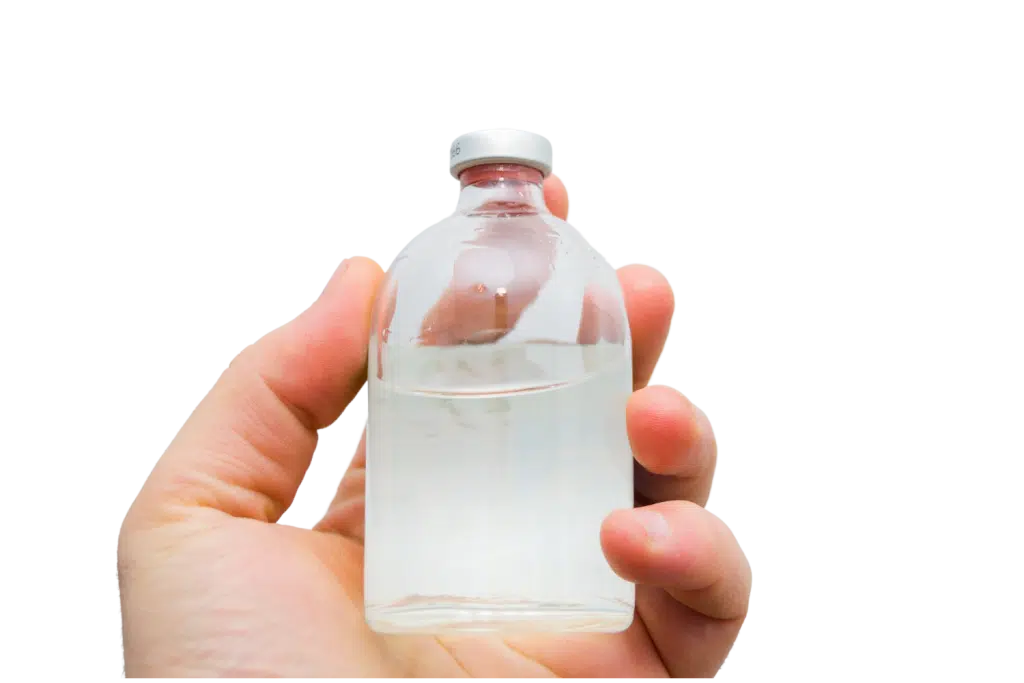
Buy Liquid Ketamine in Europe, Liquid Ketamine, primarily in the form of an injectable solution, is a fast-acting dissociative anesthetic with significant and growing applications in psychiatry and pain management. Within Europe, it is a prescription-only medication, strictly regulated and administered by licensed medical professionals in clinical settings or, in specific cases, as part of supervised at-home treatment programs.
What is Ketamine?
Ketamine is a pharmaceutical compound that acts as a non-competitive antagonist of the N-methyl-D-aspartate (NMDA) receptor. Initially developed for anesthesia, its mechanism of action—modulating the brain’s glutamate system—has proven highly effective for rapid intervention in treatment-resistant mental health conditions. In Europe, it is available in several forms for medical use, including injectable solutions, nasal sprays (esketamine), and compounded sublingal lozenges.
Primary Medical and Therapeutic Applications
In European medical practice, ketamine is used for:
-
Treatment-Resistant Depression (TRD): Particularly in countries like Germany, the UK, and the Netherlands, ketamine infusion therapy is a recognized treatment for major depressive disorder that has not responded to conventional antidepressants.
-
Anesthesia: Its original use as a short-acting anesthetic remains common in surgical and emergency medical settings across Europe.
-
Chronic Pain Management: Ketamine is used in specialized pain clinics to treat conditions like neuropathic pain and complex regional pain syndrome (CRPS).
-
Post-Traumatic Stress Disorder (PTSD): Emerging protocols in countries such as the Netherlands and Switzerland are exploring ketamine-assisted psychotherapy for PTSD.
-
Other Off-Label Uses: Under strict medical supervision, it is sometimes used for severe anxiety disorders and obsessive-compulsive disorder (OCD).
Regulatory Status Across Europe
The legal status of ketamine is consistent across the European Union: it is a controlled substance available only with a prescription. However, access and specific treatment protocols can vary by member state.
-
Germany, UK, France, Spain: Ketamine is a prescription medicine. Its use for psychiatric conditions is typically confined to hospital settings or specialized clinics.
-
Netherlands: Has a progressive approach with some telehealth providers offering structured, supervised at-home therapy.
-
Portugal: While personal use is decriminalized, medical supply remains strictly regulated.
-
All EU Nations: Online pharmacies require a valid prescription for dispensing. Unprescribed sale or purchase is illegal.
Safety, Administration, and Sourcing
Clinical Administration:
-
Intravenous (IV) Infusion: The most common method for depression treatment, allowing for precise dose titration in a clinic.
-
Intramuscular (IM) Injection: Used in clinical settings and, rarely, in supervised at-home models.
-
Sublingual/Buccal: Typically a compounded formulation used under medical guidance.
Safety and Purity:
Pharmaceutical-grade ketamine used in European medical facilities complies with strict EU Good Manufacturing Practice (EU-GMP) standards, ensuring high purity (often 99%+). Patients should only receive treatment through licensed healthcare providers to guarantee safety and efficacy.
Sourcing for Medical Use:
Liquid ketamine is sourced through:
-
Hospital Pharmacies: For in-patient and clinical use.
-
Licensed Compounding Pharmacies: For specific formulations like sublingal drops.
-
Telehealth Providers: In jurisdictions where allowed, following a virtual consultation and prescription from a qualified doctor.
For researchers on the continent requiring reference standards, platforms like trippyspace.eu provide high-purity materials for analytical purposes, with secure shipping to academic and research institutions in major European hubs.
Conclusion: A Regulated Medical Treatment
In Europe, liquid ketamine is not a consumer commodity but a valuable, controlled prescription medicine. Its therapeutic potential is best realized under the guidance of qualified medical professionals within the legal frameworks established by individual European countries. Patients interested in ketamine therapy should consult their physician to discuss its appropriateness for their condition and to understand the legal pathways to treatment in their country of residence.
Disclaimer: This document is for informational purposes only and does not constitute medical or legal advice. Ketamine is a controlled substance. Possession without a prescription is illegal. Always follow the laws and regulations of your country and consult a healthcare professional for medical advice.
Be the first to review “Liquid Ketamine #1vial” Cancel reply
Related products
KETAMINE

KETAMINE
Reviews
There are no reviews yet.